About
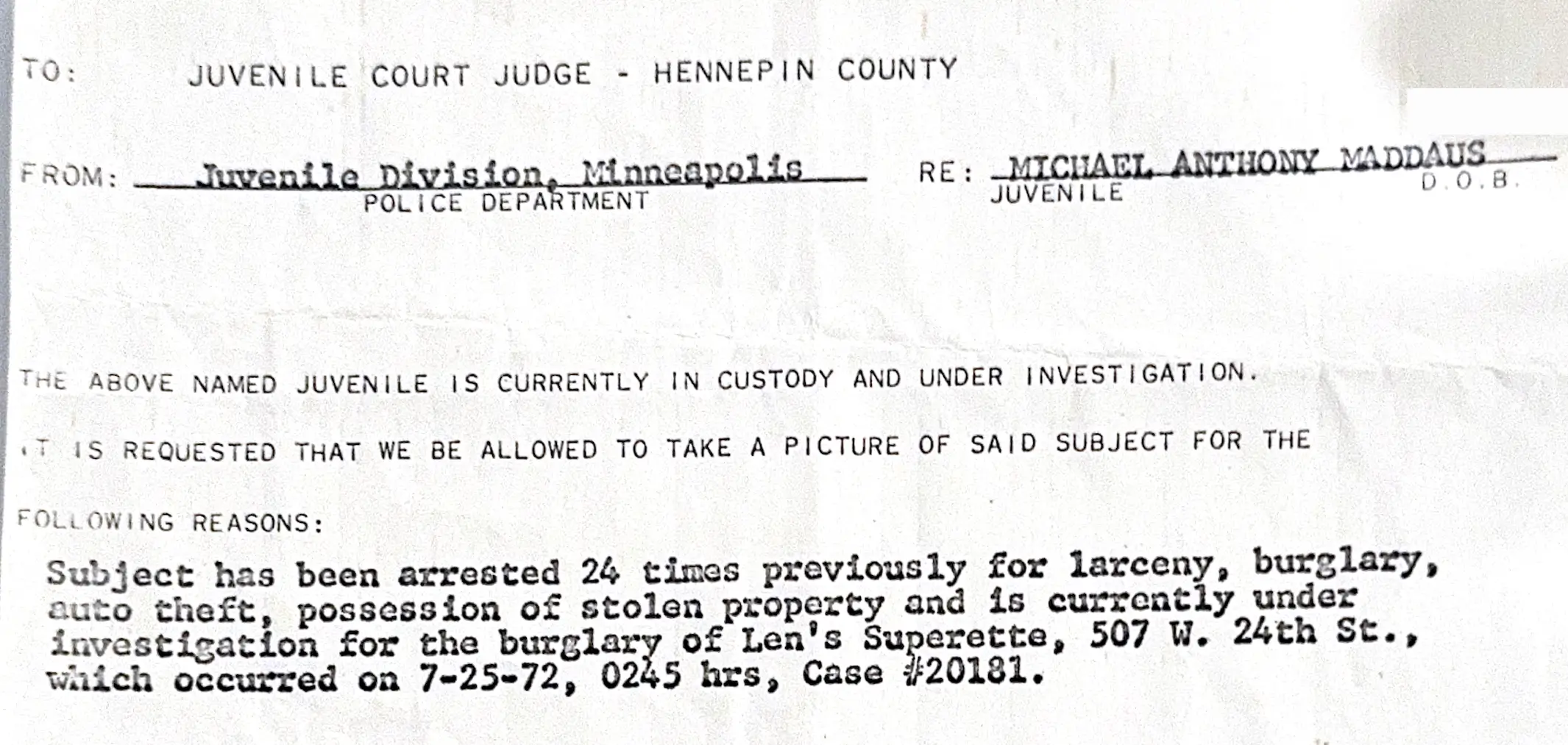
I’ve had 24 arrests and an endowed chair.
Five reform schools and twenty years at the top of academic surgery. I joined the Navy at seventeen to stay out of prison. Three decades later I was a full professor operating inside people’s chests. Then a narcotic addiction took it all apart. Three months at Hazelden, and I never went back to the OR.
That’s not the sad part of the story. It’s the hinge.
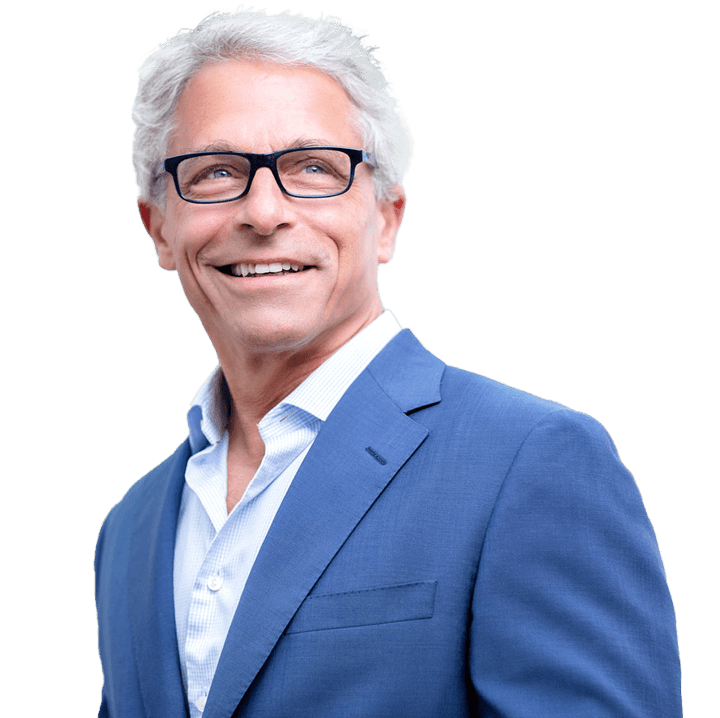
The kid nobody was betting on
I grew up poor in Minneapolis. Single mother who waited tables, a grandmother off the boat from Norway, a stepfather who showed up when I was eleven, and a string of cockroach-infested apartments held together by enough alcohol to keep everyone honest about what we were. I was angry and I was fast and I had nowhere to put either one. So at thirteen I put it on the street: stealing cars, breaking into places, getting high. Twenty-four arrests before I could legally buy a beer. Five separate trips through reform school. By any actuarial table that mattered, I was a finished product, and the product was a problem.
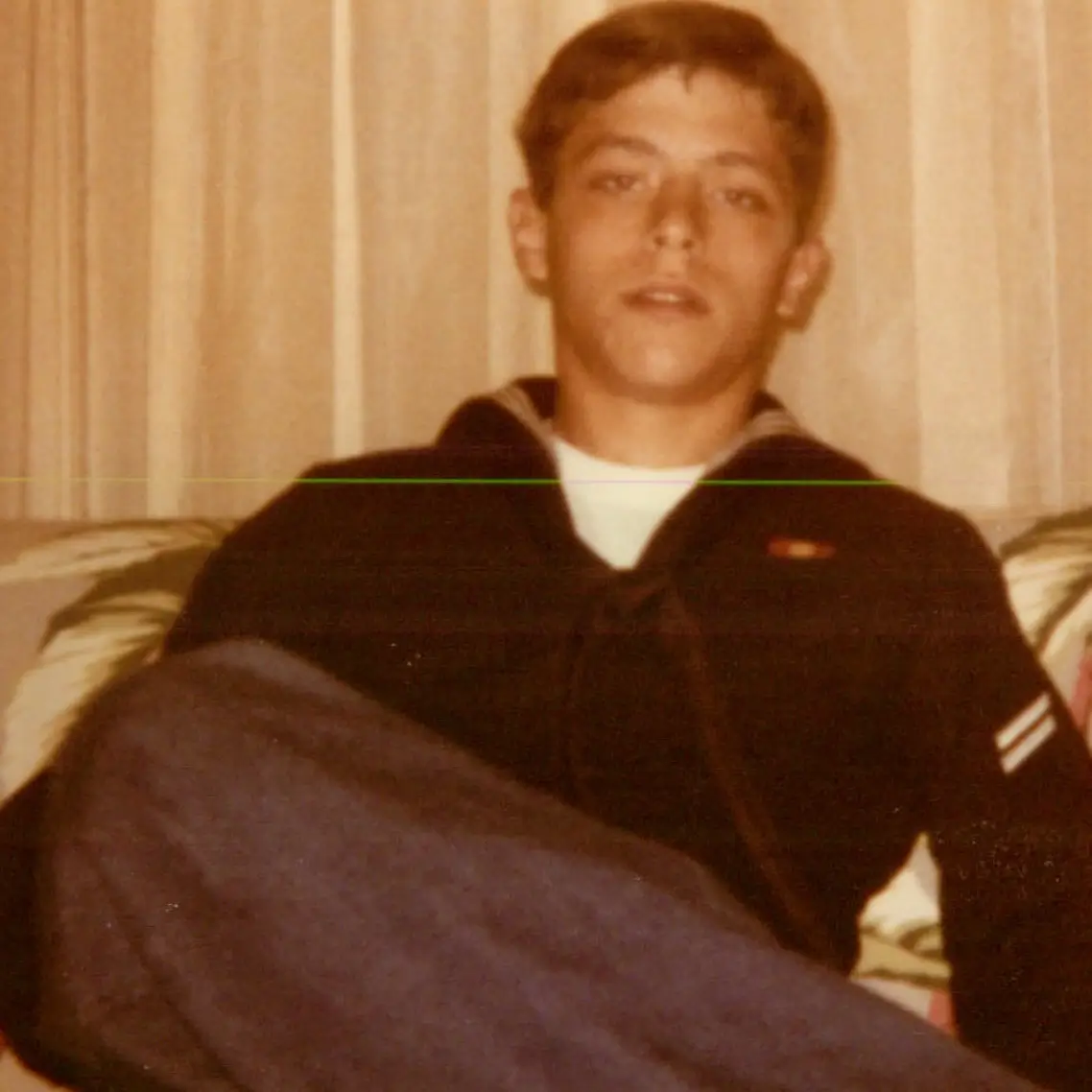
At seventeen the choice was narrow: a prison cell, or the Navy. I picked the Navy.
I’m not going to dress that up into an origin myth. It wasn’t grit and it wasn’t vision. It was a kid running out of room, who got handed one more door and, for once, walked through it instead of kicking it in.
The improbable climb
What happened next still doesn’t entirely make sense to me, and I lived it.
GED. Community college. The University of Minnesota. Here’s the moment the whole thing turned on, and it’s smaller than you’d think. I was an undergraduate when a pediatric surgeon named Stacy Roback took an interest in me and suggested I take a vocational interest test at the university. The test came back and said: physician. I thought it was a mistake. I didn’t believe in myself, didn’t think I was anywhere near smart enough, and doctor sat in a category of life I assumed was for other people. The second result was physical therapist. I had no real idea what that even meant. But I figured — okay. Why not. I’ll give it a try.
That’s mentors for you. They see the version of you that hasn’t arrived yet and they treat it as already real, and you spend the next thirty years trying to catch up to what they saw. I went to medical school — me, the reform-school kid, in a white coat — and graduated with honors in 1982.
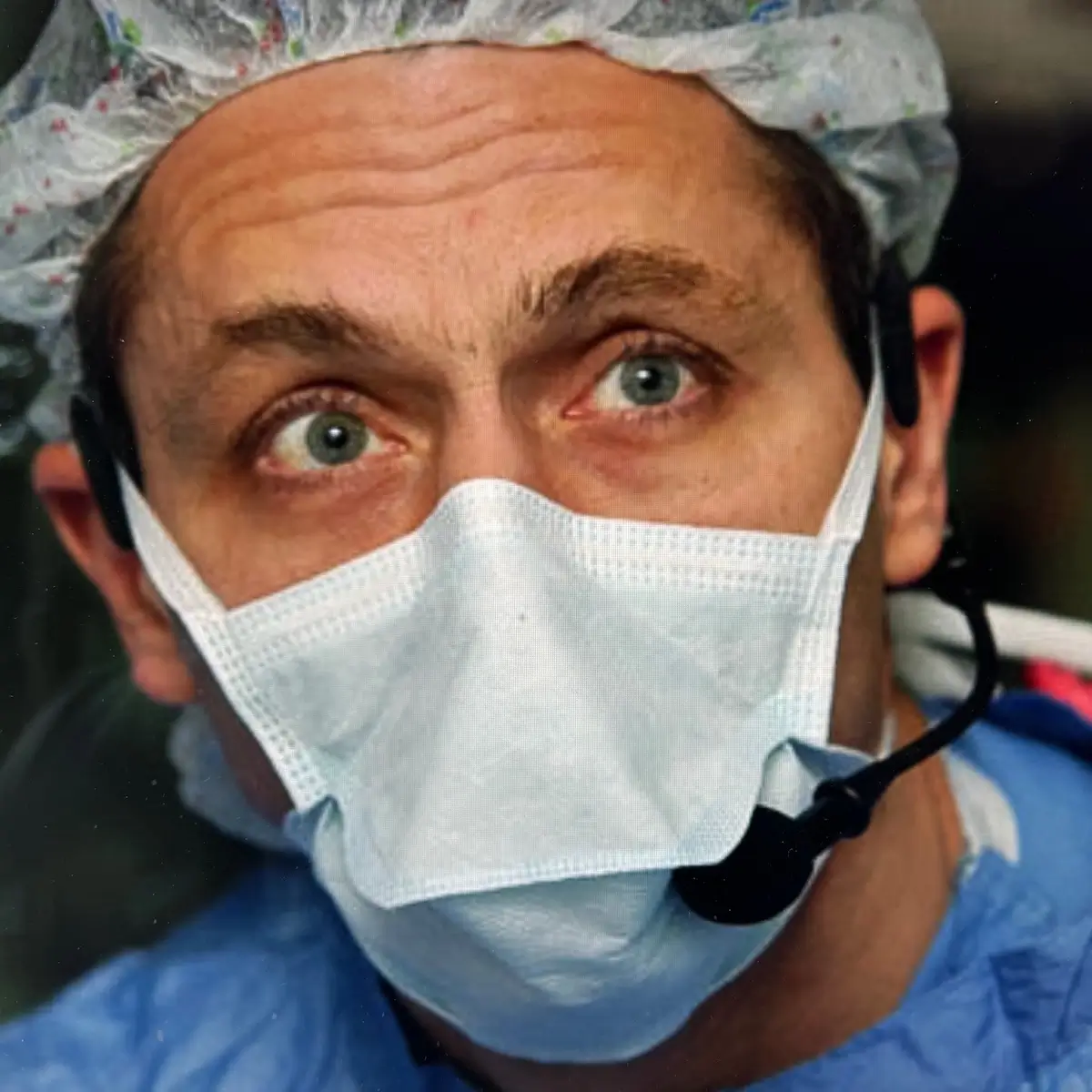
I caught up. Eight years of general surgery residency at Minnesota, then thoracic training at Toronto, then back to Minnesota as faculty in 1992. Twenty years on that faculty. I rose to full professor, vice chair of the Department of Surgery, and head of the Division of Thoracic Surgery. I held the Garamella endowed chair. I ran the general surgery residency program — which meant the institution had decided the reform-school kid was now fit to train the next generation of surgeons. A master at minimally invasive technique: small instruments, big chests, the kind of work where the margin for error is the difference between a person and a memory.
From the outside, it was the whole American story. Bottom to top, against the odds, the works.
Version One
Here’s what the outside couldn’t see.
I had fused myself to the work so completely there was no daylight between Michael and surgeon. And here’s the uncomfortable part. I was good with people. I could read a room, see what someone was capable of, pull the best out of them, and it’s a big reason I got so much done. But it all ran in one direction: toward the work. People, including me, were fuel for the mission, and the ones closest to me paid the most for that. I was disciplined, self-sufficient, built to fix anything in front of me, and those are exactly the traits a hospital will decorate you for. Run them a few degrees too hot and they stop being virtues. They become the reason no one can really get near you.
I had signed a deal without reading it. Work hard, climb, don’t complain, suppress whatever you want for yourself — and at the summit, the fulfillment is waiting. I executed that deal flawlessly. I reached the summit.
The fulfillment never showed.
I had a house, a marriage, six kids, more money than the kid in the reform school could have invented in a dream. And I was hollow, and then ashamed of being hollow, because what kind of person stands in the middle of all that and feels nothing.
When it came down
People want addiction to be a single bad decision. A door you choose to open. Mine wasn’t a door. It was a concatenation — a slow pile-up of forces, each one reasonable on its own.
A spine that finally gave out: a five-level lumbar fusion, hips going, pain that didn’t negotiate. Narcotics, prescribed, for a real reason. Burnout from a life run in too many directions at full throttle. The quiet drift away from my own wife and children while I told myself I was providing for them. Put those in one body over enough years and they don’t stay separate. They converge.
Then it came down. Not the addiction — the addiction had been building in the dark for a long time. The collapse. The day it all came apart at once. Hazelden. Three months. And on the far side of it, the thing I’d thought was my whole identity, gone: I never operated again.
Everyone knows the Mike Tyson line: “Everybody’s got a plan until they get punched in the mouth.” The punch as catastrophe. The fighter Miesha Tate read it the other way around. The punch is the thing that makes you present. You stop running your plan and you start, finally, actually living inside your own life.
The rebuild
I rebuilt my life from the studs, at fifty-seven, with no surgical career to hide inside.
The first thing I had to face was the cost other people had paid for the way I’d operated. A few years before the end, I’d gotten a 360 review — anonymous feedback from the people who worked with me. One line of it read: “He’s like an abusive boyfriend who you absolutely adore, but who you can never be sure won’t slap you.” I put that report in a drawer and left it there for four years. The report was right. The drawer was the problem.
Version two had to learn the thing version one had built a career on not knowing: how to dial the force down. How to sit still and witness instead of charging in to fix. The same surgeon who could move fast in a crisis had to learn, late and clumsily, when not to. I’m still learning it. I still feel the pull to push. I just choose differently now, most days, and I keep an honest count of the days I don’t.
Through all of it — poverty, the arrests, the fall, the slow climb back — one thing has held for fifty years. Realistic optimism. Not the absence of darkness. I know the dark intimately. It’s the stubborn conviction that the dark is navigable. That you can be in it and still moving.
What I do now
Now I work with surgeons and physician leaders who have every external marker of success and a private suspicion that it isn’t enough — and who have never had a safe place to say so out loud.
I coach them one-on-one. I run small, confidential circles where they tell the truth to each other and find out they were never the only one carrying it. I write One Human, Thinking Out Loud, where I show the work in real time, the parts that don’t go well included.
My writing has started showing up in the field's own journals — the places that usually print technique and survival curves, not the inner life of the person holding the knife. A piece on leadership blind spots that opens by quoting that 360 review. One on surgeons as “second victims,” who carry the death of a patient on the table in silence and shame and tell no one. One on building a resilience bank account before the crisis comes, because it always comes. I don’t write any of it from a safe distance. I write from the trail I left before I learned better, and the one I’m still walking.
We teach surgeons how to operate. We never teach them how to live. That’s my work.
I’m not a thought leader handing down advice from a stage. I built a life, lost it, and rebuilt it in the open, and everything I do now comes out of that — not a framework I read about. I use frameworks. I just don’t hide behind them.
If any of this reads like the inside of your own head, you’re not broken and you’re not alone. You’re awake.
That’s the part nobody warns you is good news.